Catch Great Barracuda in Puerto Plata
Great Barracuda Fishing in Puerto Plata - What to Expect

Fishing Charter by Captain Carlos Herrera in November
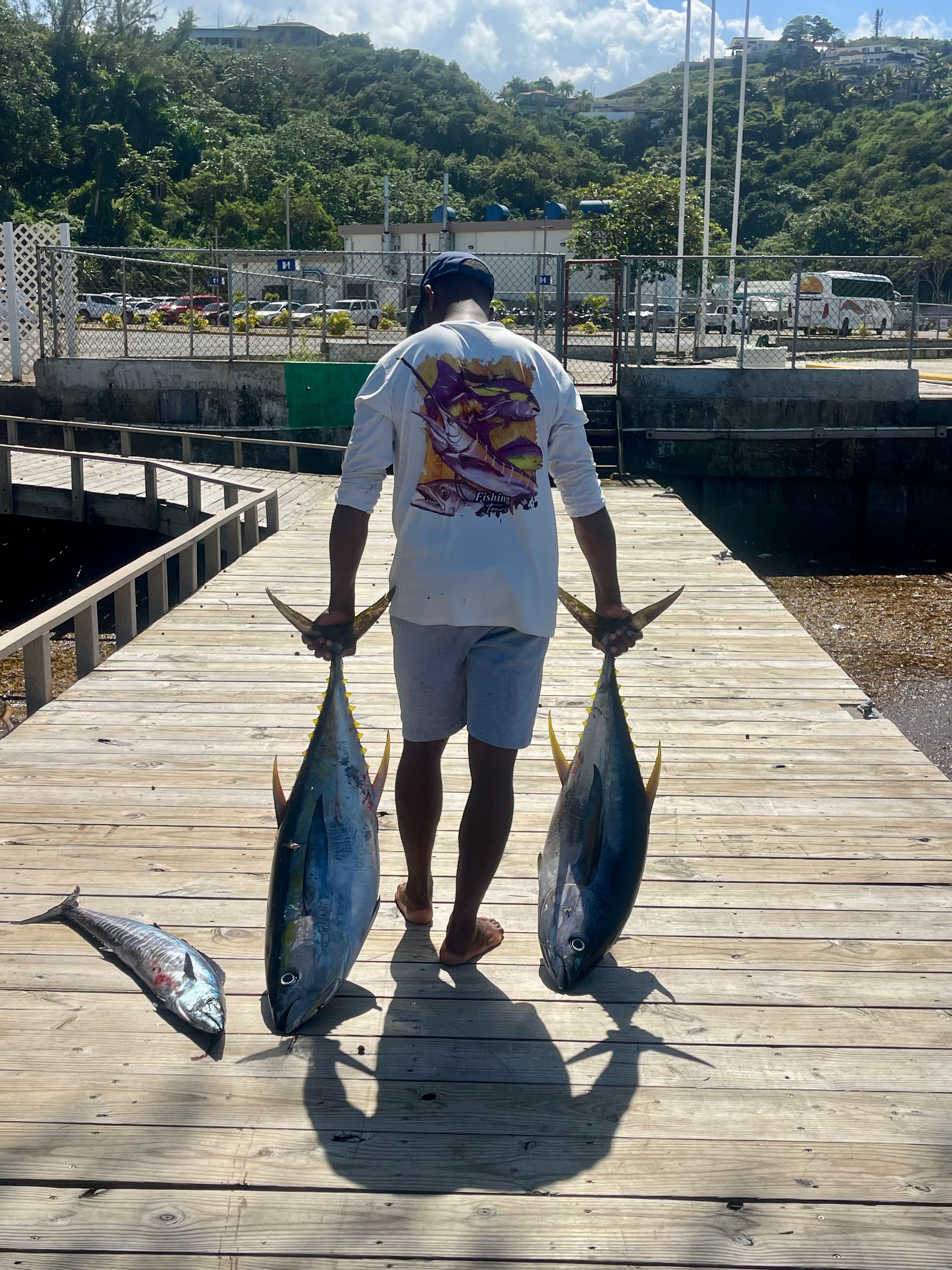
- Book The Best Dominican Republic Fishing Charters!


Summary
This fishing charter in Puerto Plata showcases an exciting encounter with a Great Barracuda, a powerful and aggressive gamefish prized by anglers worldwide. On Tuesday, October 20th, discover why this destination is renowned for world-class barracuda fishing and the thrilling techniques used to land these impressive predators.
Fishing Charter with Captain Carlos Herrera - Rates & Booking
Captain Carlos Herrera of Dona Nina Fishing Tours operates fishing charters in Puerto Plata on Tuesday, October 20th, offering guided experiences targeting gamefish including the powerful Great Barracuda. This charter experience brings you to productive fishing grounds where barracuda are actively feeding and accessible to both experienced anglers and those new to saltwater fishing.
To book your fishing charter or learn about rates and available dates, contact Dona Nina Fishing Tours directly. The team can discuss charter length, group size, and what's included in your trip to help you plan your Puerto Plata fishing adventure.
Highlights of Puerto Plata Fishing Charters
Puerto Plata's waters are known for consistent barracuda activity, particularly around structure, reefs, and deeper channels where these predators hunt. The charter experience captures the thrill of targeting one of the Atlantic's most aggressive gamefish - fish that strike hard, fight aggressively, and test an angler's skill and equipment. The calm Caribbean waters around Puerto Plata provide excellent conditions for sight-fishing and active lure presentation.
Landing a Great Barracuda is a memorable achievement. These fish are known for explosive runs, aerial displays, and determined fighting behavior. The experience combines technical skill with the natural excitement of connecting with a truly wild predator in its home environment.
Local Species Insights: Great Barracuda
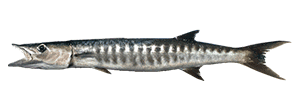
The Great Barracuda is one of the Caribbean's most iconic gamefish, recognizable by its elongated silver body, powerful jaws lined with razor-sharp teeth, and aggressive hunting behavior. These fish are ambush predators that position themselves near reefs, drop-offs, and current breaks, waiting for prey to pass within striking distance. In Puerto Plata waters, barracuda typically range from 15 to 40 pounds, with larger specimens possible in deeper offshore areas.
Understanding barracuda behavior is key to successful fishing. These fish are attracted to movement and flash, which is why lures that mimic injured baitfish work effectively. Barracuda hunt by sight and rely on speed and aggression rather than stealth - they strike first and feed on a wide variety of prey including small jacks, mullet, flying fish, and other gamefish. This predatory nature means they respond well to active retrieves and topwater presentations.
The Caribbean, particularly around Puerto Plata, provides ideal barracuda habitat. The combination of shallow reefs, deeper channels, and consistent warm water temperatures creates an environment where barracuda thrive year-round. Water clarity in these areas is often excellent, allowing barracuda to hunt effectively and anglers to present lures with confidence.
When fishing for barracuda, safety and technique go hand in hand. These fish have powerful bites and sharp teeth, so appropriate tackle is essential. Most charter captains use wire leaders or heavy fluorocarbon to prevent bite-offs. Lures are typically worked with quick, erratic retrieves that trigger the barracuda's predatory instinct. The fight itself is intense - barracuda are known for their head-shaking, tail-walking, and determined attempts to break free or sever the line.
The best barracuda fishing often occurs during optimal light conditions - early morning and late afternoon - when these fish are most active and feeding. Patience and persistence are rewarded, as each cast presents the possibility of an explosive strike and an unforgettable battle with one of the ocean's most formidable gamefish.
Fishing in Dominican Republic: Great Barracuda
Great Barracuda Overview
The Great Barracuda (Sphyraena barracuda) is one of the ocean's most iconic apex predators, belonging to the family Sphyraenidae within the order Perciformes. Known for its sleek, torpedo-shaped body, razor-sharp teeth, and lightning-fast hunting strikes, this fish has earned both respect and a touch of mystique among anglers and ocean enthusiasts worldwide. With speeds reaching 35 miles per hour and a reputation as a tenacious fighter, the Great Barracuda offers an unforgettable experience whether you're snorkeling off the Florida Keys or casting lines along the Atlantic Coast. Despite their fearsome reputation, attacks on humans are extraordinarily rare—yet the mere possibility has cemented them as one of the ocean's most fascinating and misunderstood predators.
What makes the Great Barracuda truly special is its combination of raw power, intelligence, and unpredictable behavior. These fish are naturally curious, often approaching divers and anglers not with aggressive intent, but out of genuine interest in shiny objects or potential food sources. Their silvery, streamlined appearance allows them to blend seamlessly with open water, making them master ambush hunters that rely on sight and explosive bursts of speed to capture prey.
Great Barracuda Habitat and Distribution
The Great Barracuda thrives in tropical and subtropical waters around the globe, with populations concentrated near shore in coral reefs, seagrass beds, and mangrove systems. In the United States, they're commonly found along the entire Atlantic seaboard from Massachusetts down through the Gulf of Mexico and the Florida Keys, though they rarely venture into the eastern Pacific. These fish are particularly abundant near the surface of the water, where mature specimens patrol reef structures and rocky outcrops in search of schooling prey.
These predators are typically solitary hunters, though they occasionally form loose hunting groups to encircle and trap schools of smaller fish. During spawning season—generally occurring in spring—they aggregate in specific areas, creating temporary concentrations that attract both commercial and recreational anglers. While they prefer nearshore environments, they're known to venture into deeper open ocean when food becomes scarce, demonstrating remarkable adaptability to different marine ecosystems.
Great Barracuda Size and Weight
Great Barracudas display impressive size variation depending on age and environmental factors. Young specimens typically range from 24 inches, while mature adults average between 24 to 48 inches in length. The largest recorded specimens reach up to 79 inches (over 6.5 feet), with weights ranging from 5 pounds for smaller juveniles to an impressive 103 pounds for trophy-sized individuals. This considerable size range means that every angling encounter presents a unique challenge—hooking a young 5-pounder is exciting, but landing a 100-pound monster is an experience that defines careers.
The barracuda's slender, streamlined physique allows it to achieve remarkable speed relative to its mass, making even smaller specimens surprisingly powerful fighters that can strip line from a reel with breathtaking speed.
Great Barracuda Diet and Behavior
As apex predators, Great Barracudas are aggressive hunters that primarily feed on herrings, sardines, and small tunas, but they're opportunistic enough to consume shrimp, octopi, and virtually any marine animal small enough to fit in their mouths. They hunt primarily by sight, relying on movement and contrast to identify prey—a trait that explains their attraction to bright, shiny fishing lures and jewelry worn by snorkelers.
These fish are naturally inquisitive and territorial, often approaching unfamiliar objects to investigate. When hunting in groups, they employ sophisticated tactics, circling and trapping prey schools in coordinated patterns that showcase surprising intelligence for a fish. Their hunting style is explosive—brief, powerful bursts of acceleration that leave little time for escape. Despite their fearsome reputation, Great Barracudas rarely attack humans. The last recorded fatal attack occurred in the 1950s off Key West and North Carolina, making such incidents statistically rarer than shark encounters. Most interactions with divers and snorkelers occur out of curiosity rather than aggression, though simple precautions like removing shiny jewelry significantly reduce any theoretical risk.
Great Barracuda Spawning and Seasonal Activity
Great Barracudas typically spawn during spring months when they aggregate in specific shallow-water zones, creating peak fishing opportunities for anglers who know where to look. Their reproductive cycle drives seasonal migrations and temporary congregations that can transform a quiet reef into an angler's paradise. Outside of spawning season, they remain relatively dispersed throughout their range, though they tend to be more active during warmer months and during feeding periods tied to baitfish migrations.
Year-round presence in their native range means that opportunities exist throughout the calendar, though spring and early summer typically offer the most consistent action for both recreational and tournament anglers.
Great Barracuda Techniques for Observation or Capture
Live Bait Casting: Deploy live mullet, sardines, or herring near reef structures and drop-offs where Great Barracudas patrol. Cast along the edges of reefs and wrecks, allowing bait to swim naturally in open water where these predators hunt. Use medium-weight spinning or baitcasting gear with 20-30 pound test line, as the fish's sharp teeth can fray lighter line. Allow the fish to take the bait with minimal resistance—they're aggressive eaters that rarely hesitate once committed. Around coastal areas like Miami and Key West, live bait fished near coral formations during dawn and dusk periods produces excellent results.
Artificial Lure Retrieval: Cast shiny, high-visibility lures like chrome-plated spoons, metallic jigs, or streamer flies near structure and open water adjacent to reefs. Use aggressive, erratic retrieves that mimic injured baitfish—quick strips followed by pauses often trigger strikes from curious or hungry fish. The Great Barracuda's sight-driven hunting means that bright colors and high contrast patterns work exceptionally well. Barracudas in Key West are particularly responsive to topwater plugs during low-light conditions.
Sight-Casting to Visible Fish: When you spot individual Great Barracudas in clear shallow water, lead them with your cast and retrieve directly across their field of vision. These fish are visual hunters that can't resist movement in their peripheral awareness. Use 1-2 ounce lures that create significant water disturbance and visual appeal. This technique requires stealth and patience but rewards careful anglers with explosive, memorable strikes.
Great Barracuda Culinary and Utilization Notes
While the Great Barracuda possesses firm, white meat that's technically edible, it's rarely consumed due to the risk of ciguatera—a form of food poisoning caused by toxins accumulated in large predatory fish from tropical waters. Larger specimens (over 5 pounds) carry higher ciguatera risk, making smaller barracudas theoretically safer options, though most anglers avoid eating them entirely. The species' true value lies not in culinary application, but in recreational opportunity—anglers prize them as gamefish specifically because of their challenging fighting ability, explosive strikes, and acrobatic leaps rather than table fare potential.
The Great Barracuda's role as an apex predator makes it ecologically valuable, and most modern catch-and-release practices support sustainable populations. Tournament anglers focus on catch-and-release protocols that minimize stress and maximize survival rates.
Great Barracuda Frequently Asked Questions
Q: What is the best bait for catching Great Barracuda?
A: Live mullet, sardines, herring, and mackerel are top choices, as they mimic the natural prey species that barracudas actively hunt. Shiny metal spoons and chrome jigs also work excellently, appealing to their sight-driven feeding behavior. Cast near structure during early morning and late afternoon when feeding activity peaks.
Q: Where can I find Great Barracuda near the Florida Keys or coastal cities?
A: Great Barracudas are abundant around coral reefs, shipwrecks, and mangrove edges throughout the Florida Keys and Atlantic coastal areas. Key West reef systems, along with nearshore structures in Miami and the upper Keys, provide reliable opportunities year-round. Hire a local charter captain familiar with structure locations for optimal results.
Q: Is the Great Barracuda safe to eat?
A: While technically edible, Great Barracuda carries significant ciguatera poisoning risk, especially larger specimens over 5 pounds. Most anglers practice catch-and-release, as the species' true value is recreational. If consumption is considered, keep only very small fish and check local health advisories.
Q: When is the best time to catch Great Barracuda?
A: Spring spawning season (March-May) provides peak aggregations and aggressive feeding behavior. Summer months remain productive, and fall can be excellent depending on location. Early morning and late afternoon periods consistently outperform midday fishing, when light penetration and fish activity favor anglers.
Q: Why do Great Barracudas approach divers and snorkelers?
A: Barracudas are naturally curious and hunt primarily by sight. They investigate unusual objects and shiny items (jewelry, watches, camera equipment) as potential prey. Removing bright objects and maintaining calm behavior virtually eliminates any risk of negative encounters.
Q: How do I land a large Great Barracuda safely?
A: Use a quality landing net and wear cut-resistant gloves—those razor-sharp teeth can cause serious injury if the fish is handled carelessly. Never attempt hand-landing a large specimen. Bring the fish to the net head-first, and consider using a dehooking tool if catch-and-release is your goal. Trophy specimens over 75 pounds may attempt to jump or bite during final moments of fatigue, requiring extra caution and experience.