Blue Marlin Fishing in Puerto Plata - Charter Experience
Blue Marlin Fishing in Puerto Plata - What to Expect

Fishing Charter by Captain Carlos Herrera in November
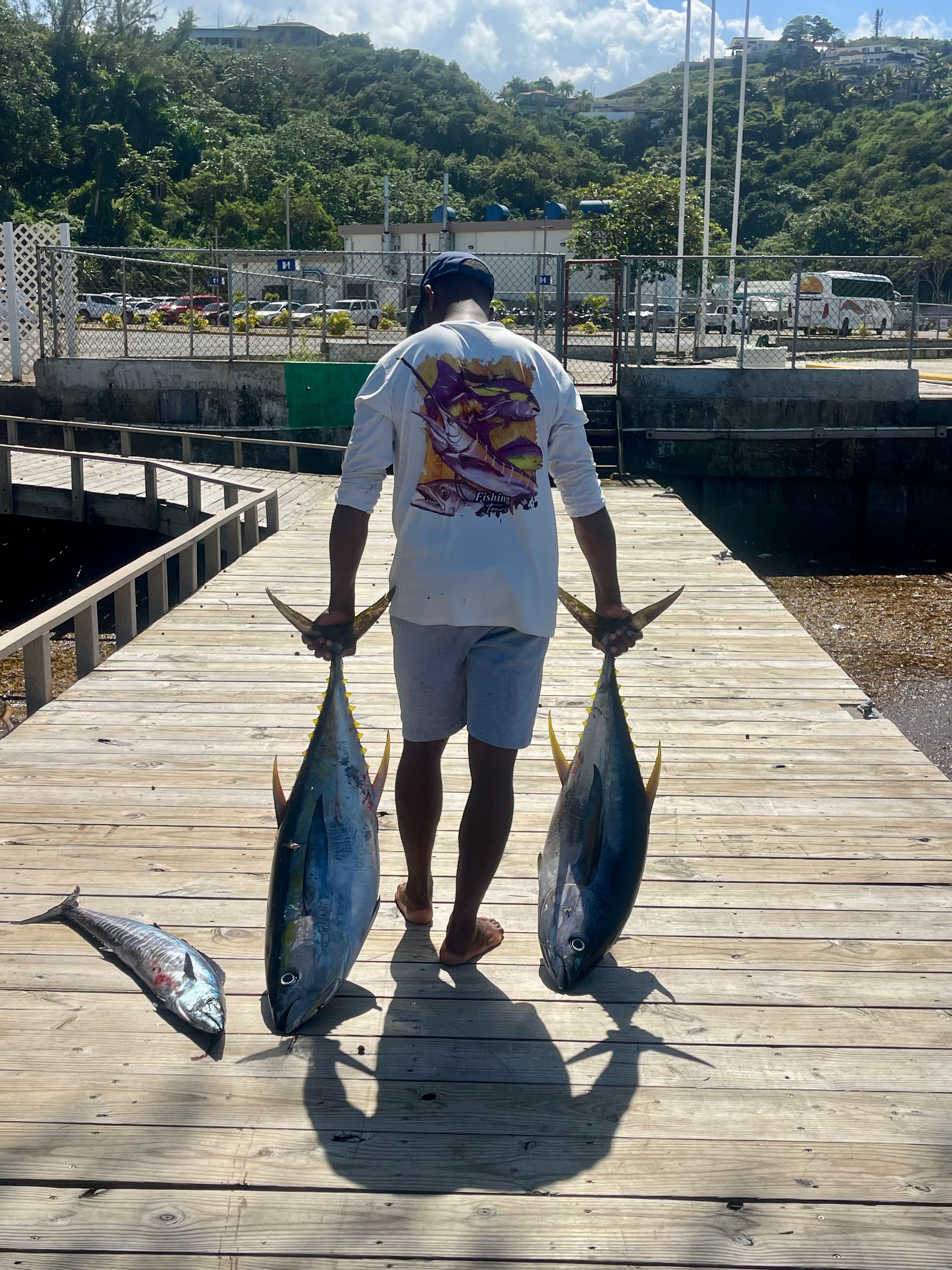
- Book The Best Dominican Republic Fishing Charters!


Summary
Join a fishing charter in Puerto Plata, Dominican Republic, where anglers pursue blue marlin offshore. This Tuesday, October adventure combines technical skill with thrilling saltwater action in one of the Atlantic's premier fishing destinations.
Fishing Charter with Captain Carlos Herrera - Rates & Booking
Captain Carlos Herrera of Dona Nina Fishing Tours departs on Tuesday, October for blue marlin fishing expeditions in Puerto Plata. This fishing charter targets trophy species in the productive Atlantic waters off the Dominican coast. Anglers work with experienced crew who understand seasonal patterns, current flows, and feeding behavior of large gamefish. The Captain brings years of local knowledge to position the boat in prime strike zones where blue marlin congregate.
Contact Dona Nina Fishing Tours to book your charter and confirm current rates, guest capacity, and included amenities. Professional fishing charters typically provide tackle, bait, and safety equipment. Many operators include licensing arrangements. Reserve in advance, especially during peak season, to secure your preferred date.
Highlights of Puerto Plata Marlin Fishing
Blue marlin represent the pinnacle of offshore sport fishing. These powerful pelagic fish are built for speed and strength, with streamlined bodies and muscular tails that enable explosive runs. When hooked, they often leap dramatically, creating unforgettable moments captured in photographs and memories.
Puerto Plata's location on the Dominican coast provides access to deep-water channels where marlin feed on smaller fish species. The warm Atlantic currents support healthy populations of billfish year-round. Fishing charters here combine technical angling with scenic Caribbean backdrop, where skilled crews work as a team to locate, hook, and fight these magnificent fish.
Local Species Insights: Blue Marlin
Blue marlin are apex predators in open ocean environments, traveling vast distances throughout the Atlantic in search of prey. They exhibit remarkable hunting behavior, often using their elongated bills as slashing weapons to injure schooling fish before consuming them. Adult blue marlin can exceed 400 pounds, with some individuals reaching over 1,000 pounds in exceptional cases.
These fish prefer water temperatures between 72-82 degrees Fahrenheit, which makes Caribbean destinations ideal fishing locations. Blue marlin migrate seasonally, following baitfish populations and ocean currents. Off Puerto Plata, peak fishing seasons align with when water conditions and prey availability attract concentrated populations of marlin.
When fishing for blue marlin, anglers employ trolling techniques using live or dead baitfish, or artificial lures that mimic natural prey. The fight between angler and fish tests both skill and endurance. Marlin make spectacular leaps, sound deeply to escape pressure, and execute high-speed runs that can strip hundreds of yards of line. Success requires proper technique, quality equipment, and crew coordination.
Local Captains like those operating from Puerto Plata understand how wind, tide, water color, and seasonal patterns affect marlin location and feeding activity. They read the ocean surface for signs of baitfish activity and adjust tactics based on real-time conditions. This expertise separates productive charters from unsuccessful outings.
Fishing charters also emphasize conservation and catch-and-release practices for many gamefish populations. Understanding marlin biology, respecting size regulations, and employing proper handling techniques ensures sustainable fisheries for future anglers.
Fishing in Dominican Republic: Blue Marlin
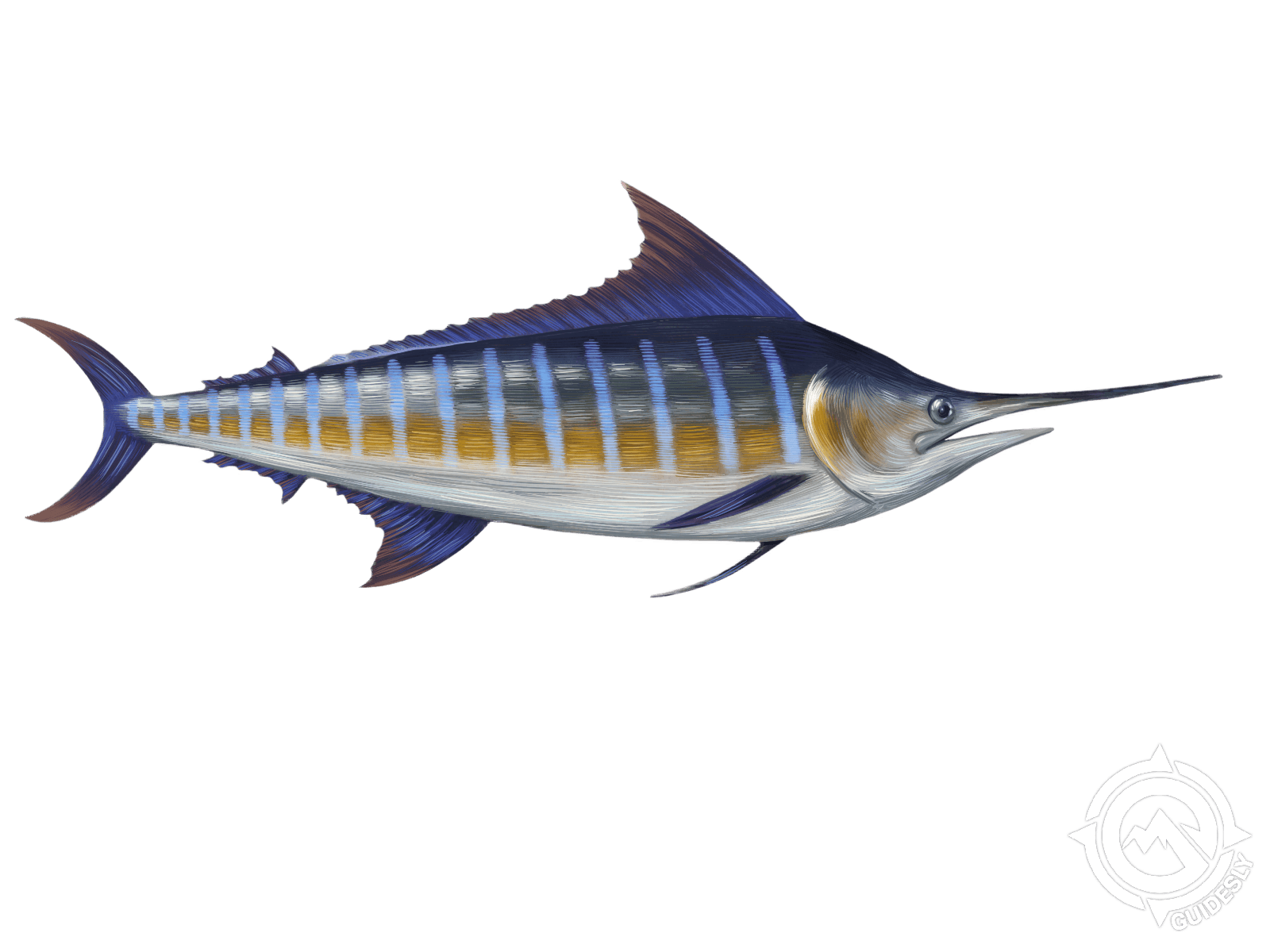
Blue Marlin Overview
The Blue Marlin (Makaira nigricans), belonging to the family Istiophoridae and order Perciformes, stands as the undisputed giant among all billfish species. This remarkable saltwater gamefish is instantly recognizable by its dramatic cobalt-blue dorsal coloring that gradually transitions into a brilliant silvery-white belly, all adorned with distinctive pale and cobalt bars running along its muscular body. What makes the Blue Marlin truly legendary in the angling world is not just its sheer size—with some specimens exceeding 1,000 pounds, earning them the title of "granders"—but also their incredible acrobatic displays and aggressive fighting spirit that have made them the holy grail of sport fishing destinations from Hawaii to Panama to Mexico.
Blue Marlins are migratory fish that follow warm ocean currents, typically traveling paths that run tangent to the equator. Their ability to change skin color through specialized cells called iridophores allows them to communicate and hunt more effectively, making every encounter with this species a truly dynamic experience. Whether you're a seasoned angler or a curious observer, understanding this apex predator reveals why fishermen and ocean enthusiasts worldwide dream of their encounter.
Blue Marlin Habitat and Distribution
These magnificent creatures favor warm tropical and subtropical waters, making their primary homes across the Pacific, Atlantic, and Indian Oceans. The Blue Marlin's migratory nature means they're constantly on the move, following food sources and optimal water temperatures. You'll typically find them in offshore, open water environments where they hunt in deeper blue waters far from shore.
Certain hotspots have earned legendary status in the Blue Marlin fishing community. Kona, Hawaii is world-renowned for consistent year-round Blue Marlin fishing, with local anglers having perfected trolling techniques specifically for this location. The Gulf of Mexico provides exceptional opportunities throughout the year, while Panama, Mexico's Pacific coast, and various Atlantic locations offer seasonal abundance. The waters around these destinations remain relatively warm and rich in the prey species that Blue Marlins hunt, creating ideal conditions for encountering these powerful fish.
Blue Marlin Size and Weight
The size differences between male and female Blue Marlins are truly striking—female specimens are approximately four times larger than their male counterparts. Female Blue Marlins typically weigh between 1,190 and 1,810 pounds and reach maximum lengths of around 16 feet, making them formidable opponents for any angler. Male Blue Marlins, while still impressive, rarely exceed 350 pounds, which creates an interesting dynamic in both the species' reproduction and fishing dynamics.
For general angling expectations, most Blue Marlins encountered during fishing expeditions range from 200 to 400 pounds, with lengths typically between 132 to 197 inches. However, the legendary "grander" status—reserved for fish exceeding 1,000 pounds—remains a rare and coveted achievement that defines careers in sport fishing. The dramatic sexual dimorphism also contributes to the remarkable 27-year lifespan of females compared to the 18-year average for males, allowing trophy females to grow to truly spectacular proportions.
Blue Marlin Diet and Behavior
Young Blue Marlins begin their feeding journey consuming zooplankton and occasionally drifting fish eggs, but as they mature, their diet transforms into a sophisticated hunting regimen targeting larger prey. Adult Blue Marlins actively hunt Mackerel, Bullet Tuna, and Skipjack Tuna, which form a substantial portion of their dietary intake. Once reaching optimum size, they become apex predators capable of pursuing Yellowfin Tuna and Bigeye Tuna, demonstrating their position at the top of the oceanic food chain.
The Blue Marlin's behavior is defined by aggressive predation and remarkable athleticism. They use their distinctive long, spear-like snout as a weapon to injure or stun prey, making their hunting technique as lethal as it is efficient. Despite their size, Blue Marlins are surprisingly prone to fatigue after extended activity, though their fighting spirit and acrobatic abilities remain legendary. Their migratory patterns follow seasonal food availability and water temperature preferences, creating predictable windows for anglers who understand these behavioral patterns. Interestingly, mature Blue Marlins have few natural predators despite their dominance, though the Great White Shark remains one of the few threats these giants will encounter.
Blue Marlin Spawning or Seasonal Activity
Blue Marlins are highly migratory fish, with their movement patterns typically following equatorial waters where temperatures remain consistently warm. Their spawning and breeding behaviors are tied to seasonal water temperature fluctuations and food availability. During warmer months, Blue Marlins tend to migrate toward specific regions, making these periods ideal for fishing enthusiasts planning their expeditions.
While Blue Marlins are available year-round in certain locations like the Gulf of Mexico and Hawaii, the peak fishing seasons vary by region. In tropical and subtropical locations, they tend to be most active during warmer months when water temperatures optimize their metabolism and hunting behavior. Understanding these seasonal patterns has made certain destinations like Kona, Hawaii famous for consistent Blue Marlin encounters throughout the year, though some regional variations in fish size and frequency do occur with seasonal shifts.
Blue Marlin Techniques for Observation or Capture
Trolling with Artificial Lures: The most effective and popular technique for Blue Marlin fishing involves trolling with high-quality artificial lures across open ocean waters. Kona, Hawaii has become legendary for its refined trolling methods developed specifically for Blue Marlin, utilizing specially designed lures that mimic natural prey species. Successful anglers employ industrial-grade equipment—heavy-duty rods, reinforced reels, and premium line rated for 50 to 130 pounds—to handle the tremendous power these fish exert. Trolling speeds typically range from 6 to 9 knots, covering vast expanses of open water where Blue Marlins patrol. The key to success is maintaining optimal lure presentation and covering enough water to intercept these migratory giants.
Live Bait Techniques: As apex predators, Blue Marlins possess an instinctive attraction to live prey that demonstrates natural fight and movement. Live Mackerel, Tuna, and other substantial baitfish trigger aggressive strikes from hungry Blue Marlins. This technique works exceptionally well when targeting fish in known feeding zones during peak activity periods. The energetic struggle of live bait appeals directly to the Blue Marlin's predatory nature, often resulting in explosive strikes that test both angler and equipment to their limits.
Deep-Drop and Chunking Methods: In locations where Blue Marlins congregate, strategic chumming with fish pieces combined with deep-drop fishing can attract these fish to your vessel. This method works particularly well in the Gulf of Mexico and near underwater structure where food sources concentrate. Around Panama and Mexico's Pacific waters, local captains often employ this technique during peak seasons to draw Blue Marlins from deeper waters to fishing depth.
Blue Marlin Culinary or Utilization Notes
While Blue Marlin meat is classified as food-quality fare and technically edible, consumption comes with important considerations. The meat tends to be firm and flavorful, appealing to certain culinary traditions, particularly in regions with deep-sea fishing heritage. However, Blue Marlin accumulates relatively high levels of mercury in its tissues due to its position as an apex predator consuming large quantities of other fish species throughout its long lifespan. Health-conscious consumers and many seafood experts recommend limiting consumption frequency, particularly for pregnant women, children, and those with mercury sensitivity concerns.
The primary value of Blue Marlin today remains rooted in sport fishing rather than commercial culinary use. Catch-and-release practices have become increasingly popular among responsible anglers, allowing these magnificent fish to continue their migratory journeys and contribute to breeding populations. The true harvest from a Blue Marlin encounter is the unforgettable experience, the challenge overcome, and the story that will be told for decades—making the fish's ecological contribution far more valuable than its edibility.
Blue Marlin Frequently Asked Questions
Q: What is the best bait or lure for catching a Blue Marlin?
A: The most effective approach combines high-quality artificial lures used in trolling with live baitfish presentations. Kona, Hawaii anglers have perfected specific lure designs that mimic natural prey, while live Mackerel and Tuna work exceptionally well for direct bait presentation. The choice often depends on your location, with local fishing guides offering region-specific recommendations based on what Blue Marlins are actively hunting in that area.
Q: Where can I find Blue Marlin near Hawaii or Mexico?
A: Kona, Hawaii stands as the premier Blue Marlin destination worldwide, offering year-round opportunities with established charter operations and proven fishing grounds. Mexico's Pacific coast, particularly around Cabo San Lucas and Puerto Vallarta, provides excellent seasonal fishing. Panama's waters and the Gulf of Mexico also offer consistent opportunities, with each location having peak seasons when larger specimens are more prevalent.
Q: Is Blue Marlin good to eat?
A: While Blue Marlin flesh is technically edible with a firm texture and mild flavor profile, consumption is generally not recommended due to elevated mercury levels accumulated through their apex predator diet. Most modern anglers practice catch-and-release, valuing the sport and experience over culinary benefit. If consumption is considered, limiting frequency and portion size is advisable for health-conscious individuals.
Q: When is the best time to catch a Blue Marlin?
A: Peak Blue Marlin fishing seasons vary by location, though these fish are available year-round in warmer waters like Kona, Hawaii and the Gulf of Mexico. Generally, warmer months (June through September) provide excellent opportunities in most regions. Local water temperatures and food availability drive seasonal abundance, making research into specific destination conditions essential for planning successful expeditions.
Q: How do I know if I've hooked a Blue Marlin versus another billfish?
A: A hooked Blue Marlin immediately reveals itself through explosive aerial acrobatics and powerful runs. The dramatic jumps, tail-walking displays, and sustained head-shaking runs are hallmark Blue Marlin characteristics. These fish are notably more aggressive and athletic than many other billfish species, and their size—particularly if you've hooked a larger specimen—becomes immediately apparent through the immense pressure and sustained power of their fighting behavior.
Q: What equipment do I absolutely need for Blue Marlin fishing?
A: Industrial-grade, heavy-duty equipment is non-negotiable for responsible Blue Marlin angling. You'll need a sturdy boat with reliable engines, 50 to 130-pound-class rods and reels designed for saltwater performance, premium braided line rated for the weight class you're targeting, and professional-grade harnesses and fighting belts. Backup equipment is recommended, as these powerful fish can break inferior gear. Charter services in famous destinations like Kona come fully equipped, making them ideal for first-time Blue Marlin anglers.